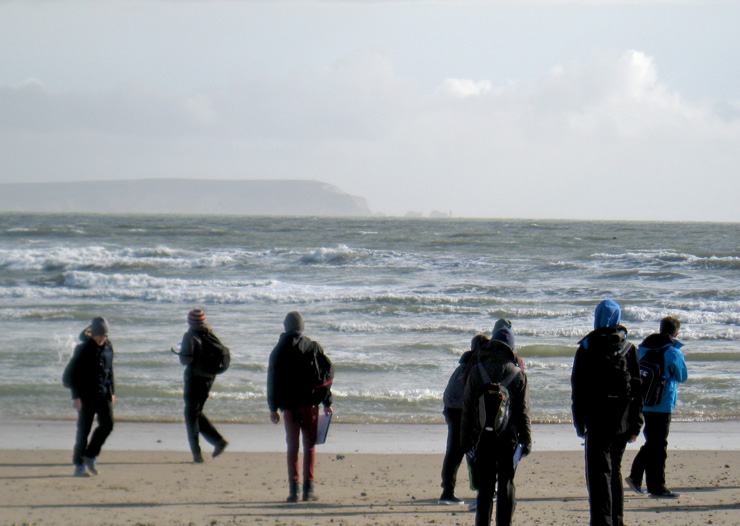
Shiplake Geographers Visit Hengistbury Head
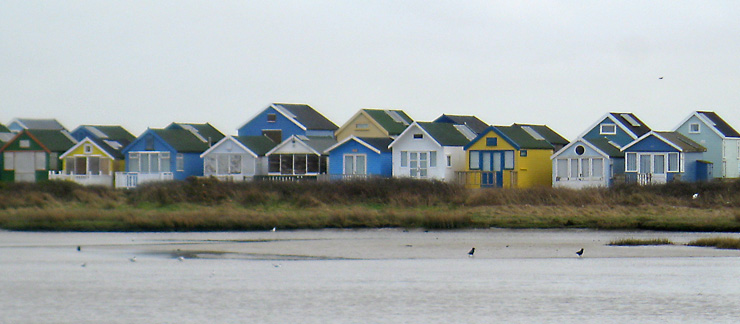 Beneath Hengistbury Head, the ever-changing landscape of Christchurch Bay provides a dynamic and dramatic visual example of the physical processes that shape land forms. This provided an ideal Geography fieldwork trip location for 46 Year 10 pupils from Shiplake College.
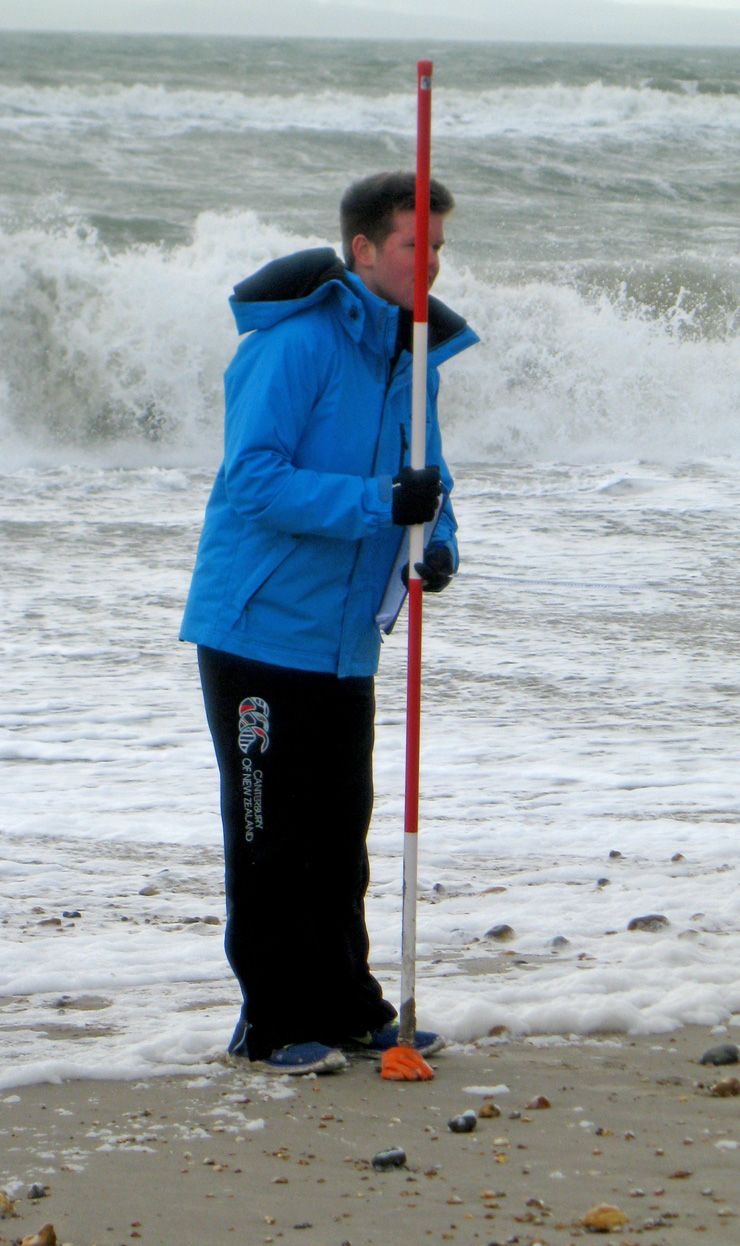 When Geography teachers threw an orange into the foaming waves, pupils recorded that the prevailing wind roaring across the Atlantic caused the oranges to drift 37 metres in just five minutes. With the pastel painted beach huts fetching up to £250,000 on the buoyant local property market, coastal engineering is required to protect this fragile environment. It is not hard to see why the properties carry such high value, as many of them provide idyllic views across the tranquil salt marshes.
Pupils completed annotated sketches of protective groynes and where concrete sea walls merged with natural sand dunes as man tried to resist the threatening change of depositional drift on this long-shore coastline. As the teachers advised pupils on their research for upcoming coursework assignments, they noted how this winter’s terrible storms had eroded the cliffs. There was significant slumping. Pupils took photographs for their coursework study, paying particular attention to strata which had recently been eroded.
 Battling against gale-force winds, pupils completed two beach surveys calculating the gradient of the beach as it narrowed and also examining particle size of sediments deposited on the beach. Crossing on the Sandbanks Ferry, the pupils then headed to the Brenscombe Outdoor Activities Centre for welcome respite from the bitterly cold winds. After an evening meal the pupils spent a valuable hour writing up the results of their surveys and developing their site sketches.
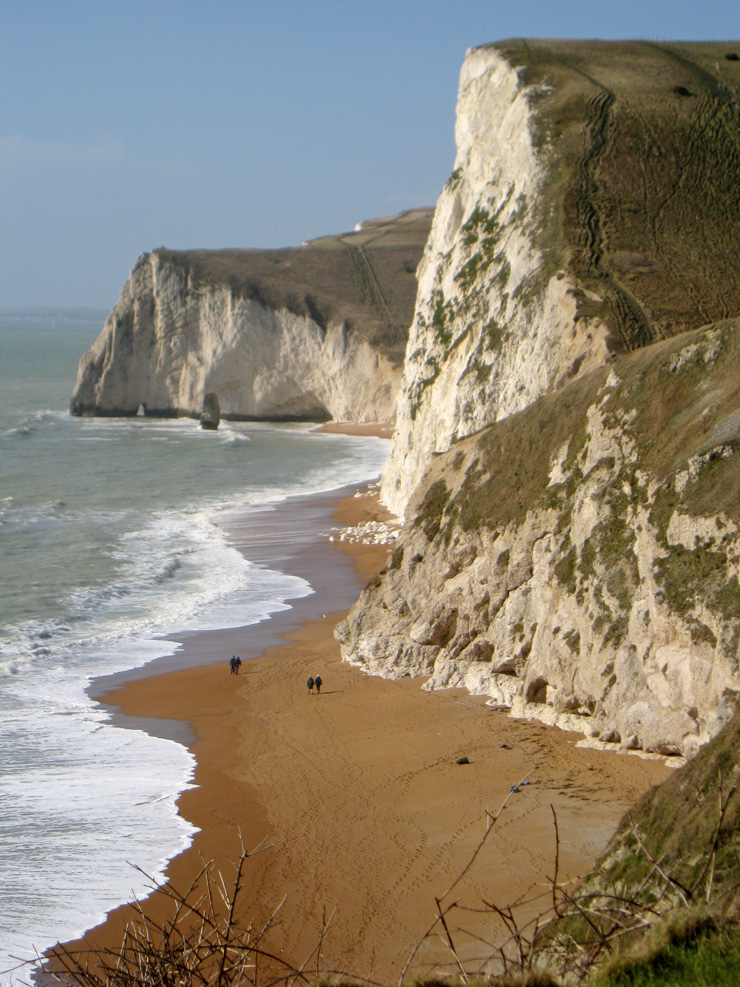
Early on day 2, all 46 boys arrived at Lulworth Cove and were immediately confronted with the power of geographical change. Much of the car park was cordoned off as a minibus had recently sunk into a sink-hole and the beach-side café had been destroyed by recent storms. Looking along the coastline, it was clear to see where the hard Portland rock had resisted weathering whilst the soft central areas of chalk had been eroded to create the bowl shaped cove.
 As permeable chalk is an excellent water filter, pupils were surprised by the clean, cooled taste of the water which had flowed through the chalk from the cliffs above. This time the orange scarcely drifted at all as it bobbed in calmer waters.
After lunch, the group visited the cliffs above Durdle Door, an archway carved in the cliffs through millennia of erosion. Slightly further along the coast, a solitary stack standing alone in the blue waters could be easily identified as the next stage of Durdle Door. On the beach, huge white lumps of chalk, created by a recent landslide, demonstrated the environmental dangers associated with the coastline, as a couple had recently lost their lives.
“Exceptional winter weather made this trip even more valuable than in recent years. Over the past four months, there have been a number of dramatic and highly visual changes to the natural environment. Pupils were clearly surprised and interested asking many perceptive questions and making some sharp observations,” said George Seccombe, Head of Geography.