
Have Your Say – Demolition of Early Parts of History of Henley
It is with great sadness that this month we had to witness the demolition of early parts of the history of our town and that of a close-by Chiltern farmstead.
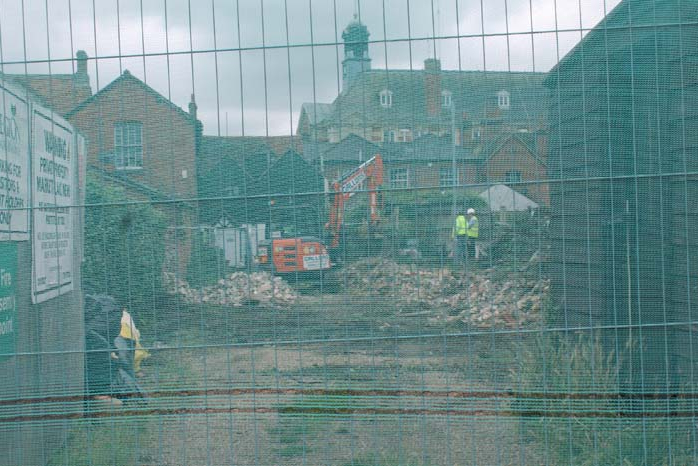
The long brick and flint walls behind Market Place north marked the boundaries of the ancient burgage plots, laid out at the time of the town’s foundation in the late C12th . Although all were Curtilage Listed Buildings behind the historic houses lining the Market Place street frontage, they had to make way for large through shops and luxury flats above. All of which Henley apparently needed, or so everybody who objected was told, when planning permission was granted by SODC. The suggestion to keep the layout of the burgage plots by putting a modest group of houses across their northern end only, so that parts of the mature burgage plot gardens would be preserved and would continue to be enjoyed, was ignored; as was the suggestion to concentrate shops and flats in the very unattractive car park area behind Boots (formerly known as Geoff’s Yard), whilst putting the necessary car parking underground, was also poo-pooed. Apparently it would have been too expensive.
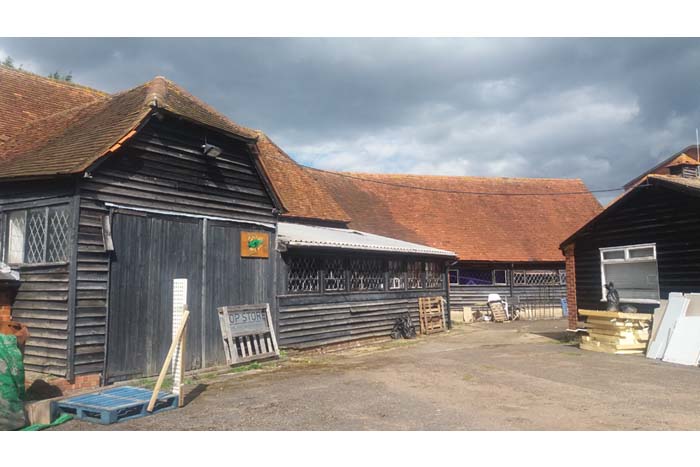
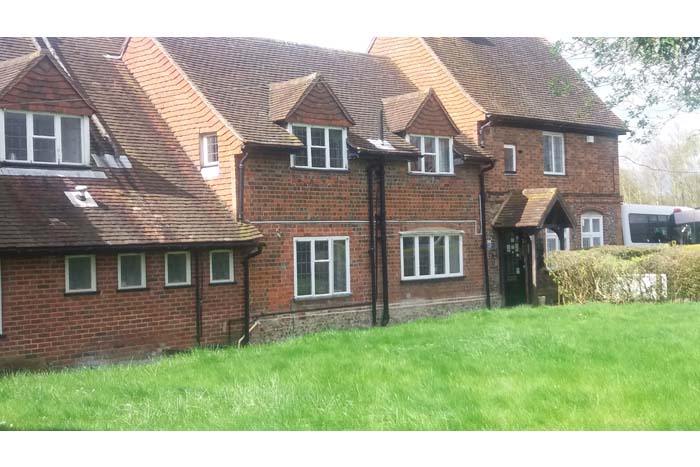
Meanwhile at Highlands Farm the entire historic farmstead with its barn, stables and farm house has been bulldozed to make way for a typical housing estate. Instead of preserving the historic farm stead structures grouped around the farmyard and using this as a ‘village square’ with the existing buildings becoming a community centre with shop, café, meeting hall, whatever was needed to create a focus for the new inhabitants as well as keeping the direct link with some six hundred years of medieval Chiltern farming alive.
At the same time this community facility would have been ideal for telling the newcomers about the wealth of Palaeolithic stone tools found here, underneath their very houses, when during gravel extractions from 1957 to circa 1960 many worked flints were excavated. These are the only evidence of mankind’s activities some 475.000 years ago and are very rare survivors of mankind’s ancient past.
With a little more thought the developers could have had their required number of dwellings, whilst anchoring the new settlements and inhabitants into their surroundings and giving them a feeling of belonging, rather than creating a scar on a much loved landscape.
Ruth Gibson
Henley Archaeological and Historical Group


