
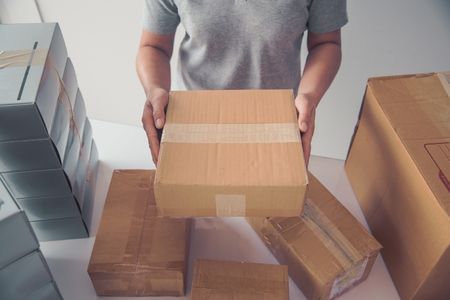
How to pack parcels like a professional
Packing a parcel may seem like a straightforward task, but taking a professional approach can make a significant difference. Whether you’re shipping products to customers or sending personal items, the way a parcel is packed affects its ability to withstand the journey. Well-packed parcels are less likely to become damaged, easier for couriers to handle, and create a better experience for the recipient.
Professional packing is about more than simply placing an item in a box. It involves choosing suitable materials, securing the contents properly, and sealing the parcel so it remains intact throughout transit.
Start with the Right Box
The first step is selecting a box that suits the size and weight of the item. A box that is too large allows the contents to move around during transport, while one that is too small may place unnecessary pressure on the product. Strong corrugated cardboard boxes provide reliable protection and are suitable for most shipments. If you’re sending heavier goods, choose a box with an appropriate strength rating to ensure it can withstand stacking and handling during delivery.
Protect the Contents
Before sealing the parcel, make sure the item is well protected inside the box. Fragile products should be wrapped individually using suitable cushioning materials, while any empty spaces should be filled to prevent movement. The aim is to keep the contents stable throughout the delivery process. If the item cannot shift inside the box, it is far less likely to suffer damage from impacts or vibrations during transport.
Seal the Parcel Properly
A professionally packed parcel is only as secure as its seal. Using high-quality tape helps keep the box closed throughout its journey, even when exposed to changes in temperature, humidity, or repeated handling. Businesses and individuals looking for dependable sealing solutions can shop here for packing tape, choosing from a range of options including plastic and paper tapes designed for different packaging needs. Using the correct tape for the weight and type of parcel helps create a secure seal that remains intact during shipping.
Use the H-Taping Method
One technique commonly used by professional packing teams is the H-taping method. This involves applying tape along the centre seam of the box and then sealing both edge seams to form the shape of the letter “H”. This method reinforces the strongest points of the box and helps prevent the flaps from opening during transit. Applying firm pressure while sealing also ensures the adhesive bonds properly to the cardboard surface.
Distribute Weight Evenly
When shipping multiple items in the same parcel, place heavier products at the bottom and lighter items on top. Distributing weight evenly improves stability and reduces pressure on more delicate contents. If packing several fragile items together, wrap each one separately and ensure they cannot come into contact with one another during transport.
Label Parcels Clearly
Accurate labelling is an important part of professional packing. Shipping labels should be attached securely to the largest flat surface of the parcel and remain fully visible. Remove or cover any old labels if you’re reusing a box to avoid confusion during sorting. Where appropriate, handling labels such as “Fragile” or “This Way Up” can provide additional guidance, although packaging should always be strong enough to protect the contents regardless of label placement.
Consider Sustainability
Professional packing does not have to involve excessive packaging. Selecting appropriately sized boxes and using only the protective materials required helps reduce waste while maintaining excellent protection. Many businesses are also switching to recyclable cardboard boxes and paper-based packaging materials to reduce their environmental impact without compromising on performance. Paper packing tapes and other recyclable sealing solutions can further support sustainable packaging goals while providing a strong, reliable seal.
Check Everything Before Sending
Before handing a parcel to the courier, take a few moments to inspect it. Shake the box gently to check for movement inside, confirm that all seams are securely sealed, and ensure the shipping label is attached correctly. This final inspection can help identify small issues before they become costly problems, reducing the likelihood of damaged goods or delayed deliveries.



Leave a Comment
Want to join the discussion?Feel free to contribute!