
Museum packed for last fond farewell weekend
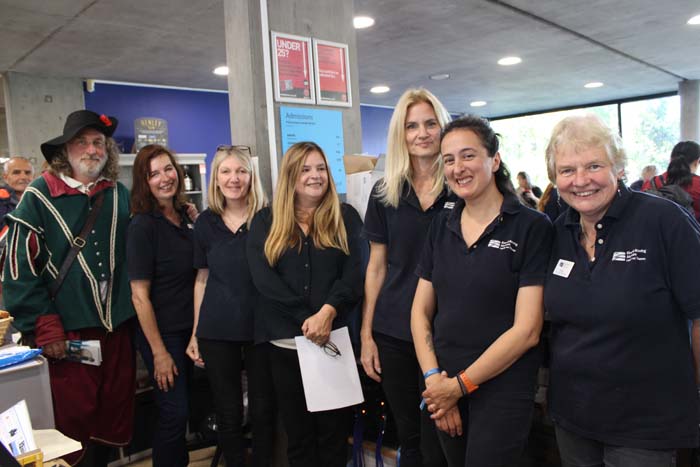

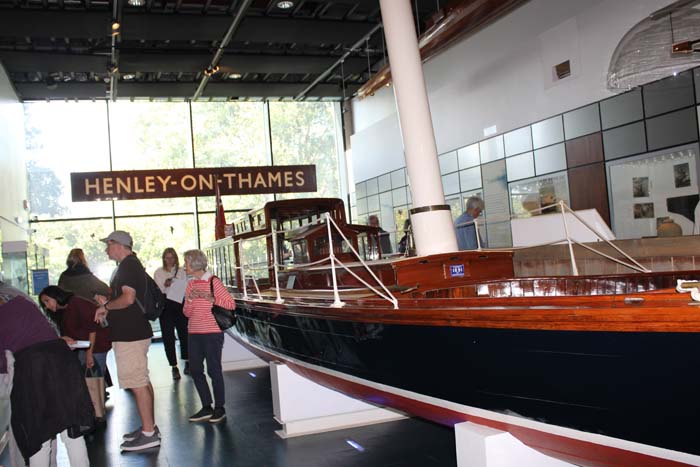
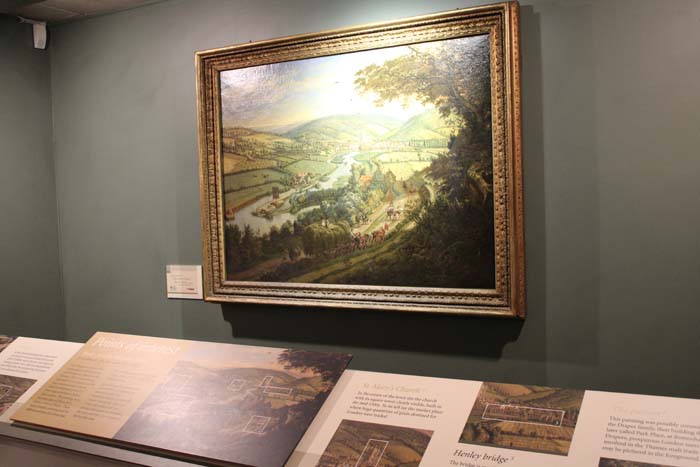
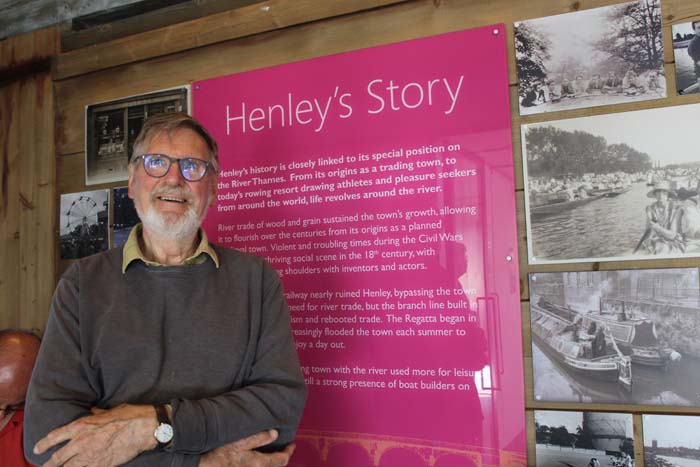
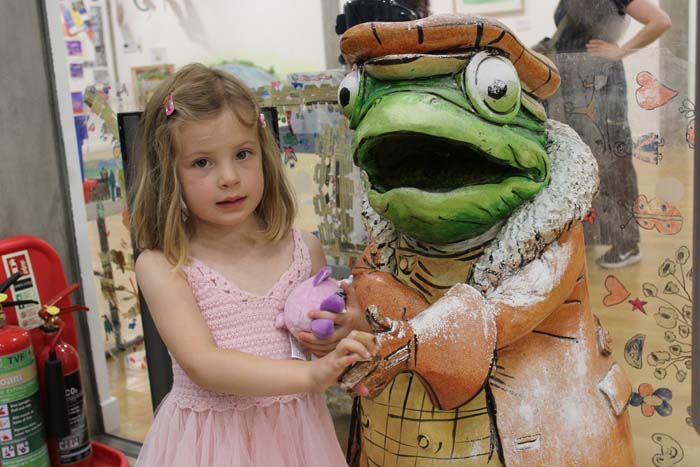
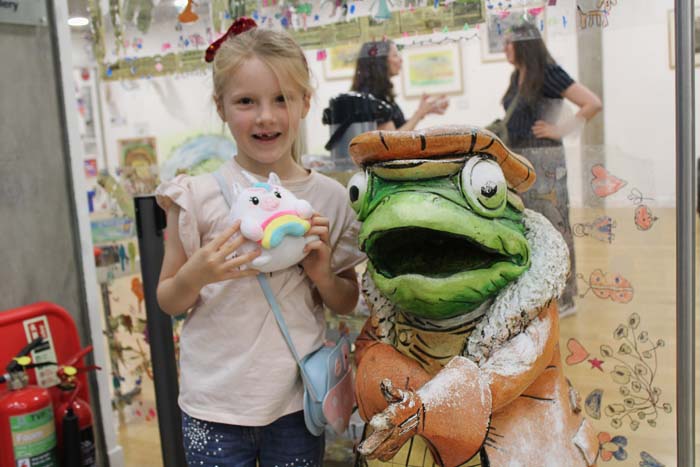
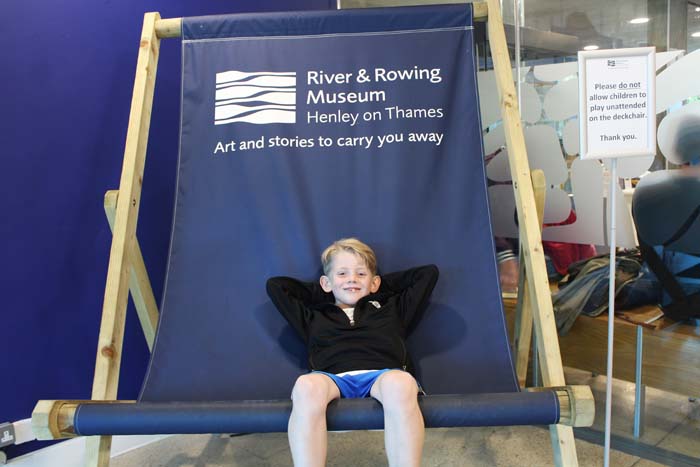
The River & Rowing Museum saw over 2,000 people visit the museum at the weekend before it closed its doors to the public for the final time on Sunday.
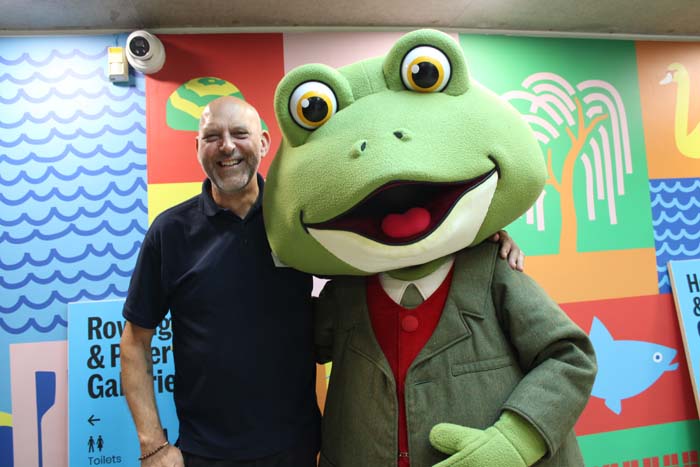
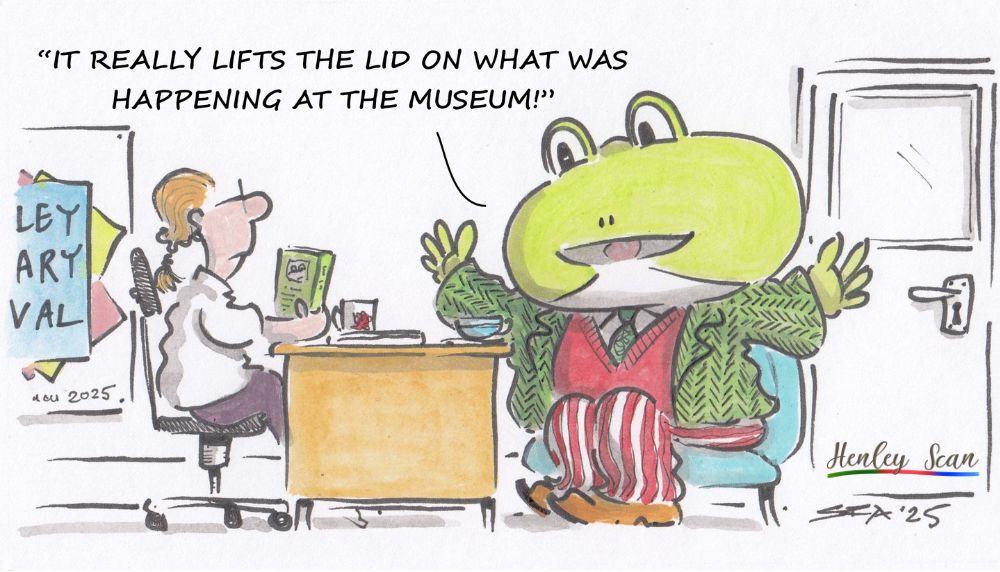
The museum was open free to the public for the nationwide Heritage Open Days initiative. The car park was full, the galleries were packed with people wanting to see the artefacts for the last time and the cafe on Saturday ran out of cakes and sandwiches. The shop was nearly bare with just a few things left on sale. Mr Toad was making appearances throughout the weekend, giving hugs and waves to younger visitors to say goodbye.
Volunteer Richard Pinches said, “Lovely to see so many people here at the museum. It’s really crowded. Obviously, it’s a massive shame that it’s closing, but maybe something will rise from the ashes. I’ve always thought the museum itself was so much more than just the building and the infrastructure. It was a community asset here for children and education alike, and it’s going to be a real loss to the community.”
Henley resident Amanda McGregor said “I’ve visited over the course of its history when there has been good exhibitions. I felt though the community gallery didn’t have a high enough profile. The placement needs a huge amount of work and it needs reorientating and everything, but I like their ideas for arts and events into the future. It has lost a bit of engagement in some ways. It’s structured back to front although the architecture is amazing. If they can resolve that, it would be fantastic.”
“It needs its development phase, so I’m happy that it’s going to be developed, but I hope it’s going to be done in a way that gives; number one, a more centralised state with community life. Number 2, better proximity with things like the cafe and the experience of the river. Number 3, the environment with the issues becoming highlighted and the history of it and how it relates to the river and the things that have been around Henley historically that there’s a much stronger presence and detailed curation of that.”
Dr Michael Redley from the Henley Archaelogical and Historical Group who was volunteering this weekend said, “It’s been a stunning visitor number. Much more than I think most people expected. There’ve been families, there’ve been… people paying their last respects, and people who actually didn’t know it was closing who were horrified and people who came for the Heritage Weekend. It’s their enthusiasm, you feel that they’re seeing all this and thinking how wonderful it is. If there were ever to be a sort of display of the need for a museum and the enthusiasm for Henley people and people in general about Henley’s past, it would be in this, in what you see here.”
“We’re asking people to complete a questionnaire with a few questions. We’ve tried to identify the sort of people who’ve come, but also we’re asking them if there were to be a new museum, what would that be? what would they like to see in it? what sort of museum would it be? what kind of use would they make of it and so on. Because one of the most important things we’ve discovered from visiting other museums around the region, which we’ve done in a systematic way over the last couple of months, is a knowledge of your audience and an ability to react to what you discover they want. It’s the need for a permanent collection maybe, but also lots of special exhibitions that turnover and bring new people in. Because if you have just a permanent collection, people come and see it once and they’ve done it, and that’s the end of it and they never come back. And that’s been the case of so many people who have been here this weekend. They said, well, we came years and years ago, but we’ve come back to say goodbye. What a wonderful experience it is.”
Kevin Sandhu, Director (interim) said, “The final weekend was bittersweet for those associated with the museum. Whilst we wanted to celebrate the many achievements of the past 27 years, there is no getting away from the fact that closing to the public is a very sad event. Jobs will be lost, and the community will lose a much-loved venue. Generations of families have enjoyed the museum over the years and over 100,000 school children have visited. We are very much hoping this is not the conclusion of the story, but rather the end of a chapter. Whilst the museum is closed, we will be exploring options for the collections and seeking a new occupier for the building. Our education programme for schools will be continuing, using a selection of local venues. Depending on the outcome of the building, we may be in a position to support the creation of a new museum, though this would likely be much smaller and financially sustainable. Thus the hope is very much that there will be a next chapter, though it is yet to be written.”





Leave a Comment
Want to join the discussion?Feel free to contribute!