

Wildlife Words: Making Room for Nature
You may think nature only thrives in big reserves. But it also squeezes into the cracks and corners of our urban environments.
So, whether that’s a garden, a balcony, a windowsill, or just the wall of your home, there’s always room for a splash of green amongst the urban landscapes.
Mini habitats – what’s in the name?
In ecology, a “microhabitat” is a small area with its own unique environment that differs from the surrounding habitat. But you may know them by a different name.
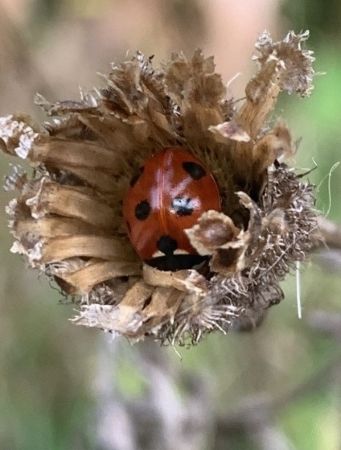
Mini ponds, bee hotels, and even bird boxes, each creating a quiet refuge for the creatures sharing our built landscape (just remember that bird feeders in warmer months increase the risk of disease in birds). These small sanctuaries carry real ecological weight.
Never underestimate the power of cumulative effect: each species, no matter how small, has a part to play in all ecosystems.
The key benefits of micro habitats include:
- Attracting insects that play a role in pollination.
- Storing moisture and regulating temperature
- Breaking down organic matter
Walls
Urban walls can host a surprising range of ecological functions.
Living walls are particularly beneficial to local wildlife. These vertical green sites, formed of flowering climbers and wall mounted planters, can attract bees, hoverflies and other pollinators.
Micro planters and crevice habitats, which are small pockets of soil, stacked tiles, logs with holes, stone crevices or even swift bricks attached or built into walls, create nesting and overwintering sites for solitary bees and beetles.
Water
Water sources such as ponds or streams with natural features are ideal, but rare in highly urban areas. But artificial water sources such as birdbaths or rainwater pools/ponds can still support amphibians, insects, birds, and mammals while contributing to local microclimate regulation.
For example, a recent study in the Journal of Urban Ecology found that urbanised aquatic microhabitats, such as water-filled tree holes and other small standing waters in cities, create “unique but inconspicuous” breeding habitats for a range of insects.
Gardens
Gardens are probably the first green space that comes to mind when discussing microhabitats. And that’s because even small spaces can support many microhabitats due to the varying environments and features which can be created within them. Gardens are a mosaic of interconnected micro-ecosystems within one space.
But when discussing our urban environments, rewilding towns and cities might sound like something left to greater powers, such as your local council, but in fact, urbanisation doesn’t need to mean a loss of biodiversity.
You don’t need a large rural garden to support nature – urban gardens are becoming ever increasingly vital passages in our increasingly fragmented country.
These small patches of green can become a wildlife sanctuary surprisingly easily: try growing as many different types of plants as you can, including native species, and provide natural food sources. And importantly, let nature do its work! Sometimes, the best thing you can do is simply step back and leave a corner (or two!) undisturbed. For example, fallen or stacked logs and retaining piles of leaves and wood chip can serve as habitat for insects, fungi, amphibians, reptiles and small mammals.
Gardening tips for August
Put up bat boxes
Create a home for bats in your garden over the summer and put up bat boxes in large trees or buildings. Place them high up (at least 3 to 4 meters), sheltered from the wind, and exposed to the sun for most of the day. See the guidance on the Bat Conservation website.
Bat boxes can be bought from various stores and websites, or if you’re feeling crafty, you can make them yourself.
Leave food and water for hedgehogs
Continue to leave out dishes of water and meat-based (not fish!) dog or cat or hedgehogs, before they go into hibernation in early Autumn.
Wild Oxfordshire






Leave a Comment
Want to join the discussion?Feel free to contribute!