
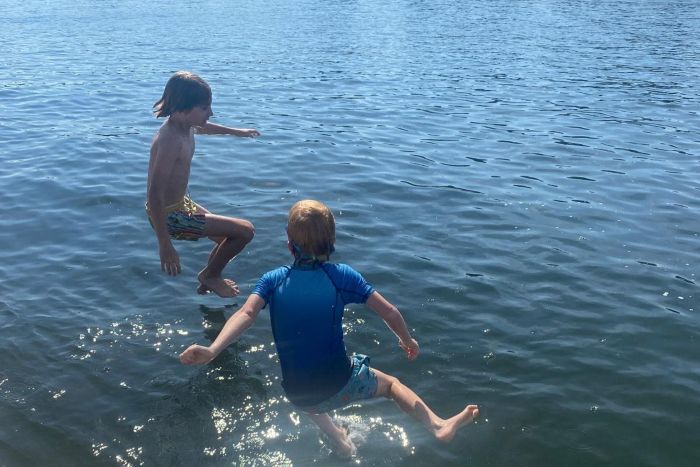
School is out for summer, but the rivers aren’t on holiday
As the final bell rings and the school gates swing open for six weeks of freedom, there’s a familiar summer ritual that plays out across every town with a river, lake, or reservoir nearby: groups of children, buoyed by that first taste of holiday freedom, heading straight for the water.
I understand the appeal completely. As a former detective with over 20 years’ service, I spent a career watching how quickly ordinary moments can turn serious and now, as a swim coach and first aid instructor, I spend my time trying to make sure that doesn’t happen in the water. So let me say this clearly, and kindly: open water isn’t dangerous because children are reckless. It’s dangerous because it looks exactly like it should be safe.
Why rivers aren’t just “bigger swimming pools”
A swimming pool is controlled and has consistent depth, no current, lifeguards, and water that’s the same temperature from one end to the other. Open water plays by entirely different rules. Rivers, lakes and reservoirs can be several degrees colder just a few feet below the surface, even on the hottest day of the year. That sudden cold can trigger cold water shock which is an involuntary gasp reflex that can happen to strong swimmers just as easily as beginners, often within the first minute of entry.
Add to that hidden currents, sudden changes in depth, submerged branches or debris, and the simple fact that there’s no lifeguard scanning the water and you have a setting that rewards respect, not fear.
The parents’ role: present, not paranoid
This isn’t about banning children from rivers and lakes, for many of us, those are treasured memories of childhood. It’s about supervision that’s active rather than assumed.
A few honest, practical points I’d encourage every parent to consider this summer:
- Know where they’re going. A simple “which spot, with who, back by when” takes thirty seconds and matters enormously if something goes wrong.
- Talk about currents and depth, not just “be careful.” Children respond far better to why than to vague warnings. Explain that calm-looking water can hide a strong current underneath.
- Teach them Float to Live. If they or a friend get into difficulty, the advice from the RNLI is simple and proven: lean back, ensure ears are in the water, extend your arms and legs, and float until the panic passes and breathing settles. Fighting the water is what exhausts people but floating buys time.
- The golden rule: never go in after someone. It’s the instinct every parent and friend has, and it’s the one that turns one person in trouble into two. Call 999, shout for help, and throw something that floats if you can, but stay out of the water yourself.
- Where possible, supervise directly. For younger children particularly, “nearby” isn’t the same as “watching.” A book on a picnic blanket ten metres away isn’t supervision.
A message worth six weeks of repeating
None of this is meant to cast a shadow over summer, quite the opposite. Some of my own best childhood memories involve rivers and lakes, and I want today’s children to have the same. The goal isn’t to keep them away from the water; it’s to make sure they, and the adults around them, know how to enjoy it safely.
So as the holidays begin and the water calls, my message to parents is simple: have the conversation before they go, not after something’s gone wrong. It costs five minutes and could be the most important five minutes of their summer.
Georgina Bradley is a former police detective with over 20 years’ service and the founder of GB swim and safety, providing swim coaching, first aid training, and school safeguarding talks across Henley-on-Thames and the Thames Valley.



Leave a Comment
Want to join the discussion?Feel free to contribute!